Collection
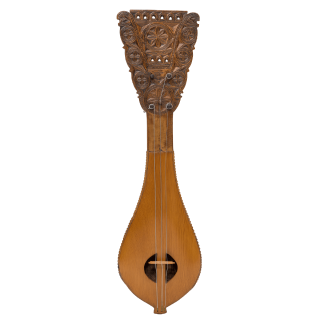
The Museum’s collection consists of approximately 2,000 musical instruments and sound-producing objects, created by anonymous and renowned instrument makers, as well as instruments that belonged to virtuoso traditional musicians, dating from the 18th cent. to the present day and originating from every corner of the Greek world, both rural and urban. It is the most important collection in Greece and among the most significant in the Balkans, the Mediterranean and Europe.
The majority of the collection, approximately 1,200 instruments, is a donation of the musicologist and music critic Fivos Anoyanakis and represents the result of 50 years of research, carried out by the collector throughout Greece and Cyprus.
Some rare and valuable musical instruments, representative of specific instrument types, would have disappeared if they had not been preserved through the research activity of Fivos Anoyanakis and the Museum.
The Museum’s collection was further enriched by the donation of aerophones by the musicologist Despina Mazaraki, as well as through individual donations and acquisitions of musical instruments.
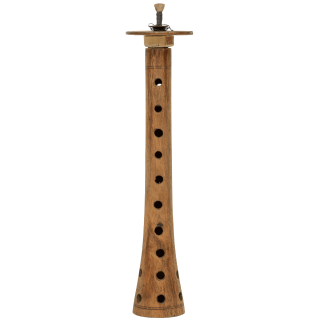
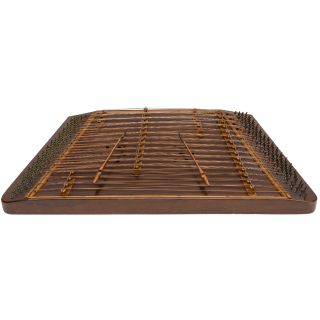
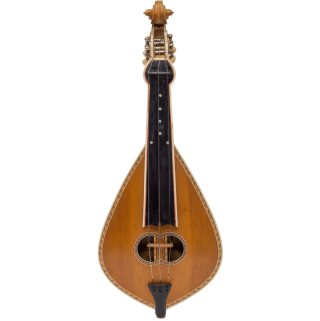
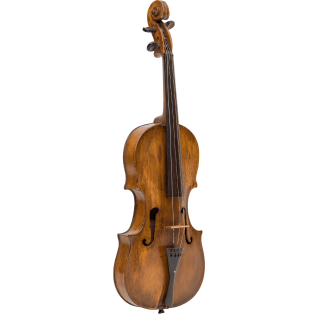
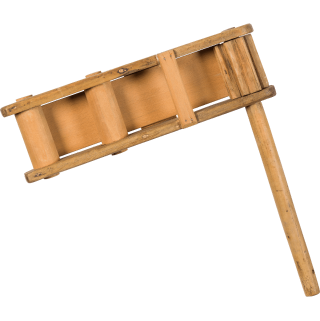
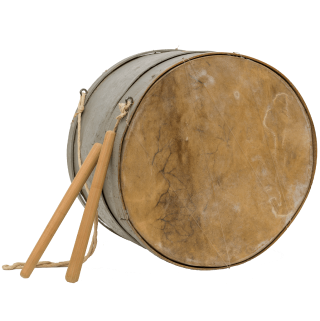
The Museum’s collection includes a wide variety of instruments, ranging from refined examples of Greek instrument-making craftsmanship to simple sound-producing toy objects, reflecting folk imagination and ingenuity.
The instruments have been classified according to the vibrating material that produces sound, following the international Hornbostel–Sachs system. They are thus divided into idiophones, membranophones, aerophones and chordophones, categories presented in detail throughout the Museum’s galleries, forming an “organological panorama” of Hellenism.